

Step outside on a summer afternoon and the driveway feels like a griddle. Step back inside and you want the opposite—floors that stay cool, don’t warp, and can handle dust, pets, and monsoon mud. That’s why so many Southern Arizona homes lean on tile. But not all tile types perform the same when the thermometer passes 110°F, especially over concrete slabs.
Below is a practical guide to which tile floors actually stay comfortable underfoot, how they handle our desert realities, and when luxury vinyl can play a supporting role.
Why Tile Stays Cooler Than Other Floors
Tile has two big advantages in a hot, dry climate: thermal mass and direct contact with the slab. Concrete absorbs cool night air, and dense materials like porcelain and ceramic pull that coolness up into the room during the day. Carpet and thick padding insulate instead, trapping heat.
Density and color both matter. Lighter tones reflect more sunlight from big south-facing windows, while darker floors soak it in and can feel noticeably warmer in bright rooms. Matte finishes also diffuse glare, which helps spaces feel visually cooler.
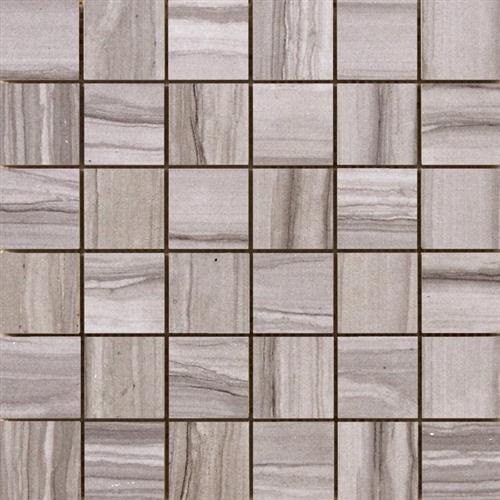
If you’re comparing options, it helps to actually see how different surfaces look in natural light. Our tile catalog makes it easy to browse tile styles and patterns from major brands that are designed for intense UV exposure.
Best Tile Materials for Extreme Heat
Most homeowners are choosing between porcelain, ceramic, and natural stone. All can work, but they behave a little differently on hot days.
- Porcelain is the workhorse for Sonoran Desert homes. It’s denser and less porous than standard ceramic, which means it doesn’t absorb much moisture during monsoon season and resists cracking when temperatures swing. Because it’s so stable, large-format porcelain planks are popular in open concept layouts.
- Ceramic is more budget-friendly and still stays pleasantly cool. It’s great for bedrooms, offices, and spaces that don’t see as much water. In high-traffic entries where dust and grit come in during a haboob, the slightly softer surface can show wear faster than porcelain, so finish choice matters.
- Natural stone like travertine, slate, or limestone can feel especially cool under bare feet. It also brings that organic desert-modern look many Casas Adobes and foothills homes aim for. The tradeoff is maintenance: in a hard-water area, stone needs proper sealing and more attentive cleaning to keep minerals from spotting the surface.
If you’re drawn to the look and feel of stone, you can compare natural stone flooring options and see how each one handles outdoor heat, indoor traffic, and long-term care.
Layout, Grout, and Color Choices That Affect Comfort
Beyond material, design choices have a real impact on how “cool” a floor feels in daily life.
Large tiles with minimal grout joints create a smoother, more continuous surface. That means fewer grout lines to trap dust after a windstorm and fewer places that can discolor from hard water in kitchens and baths. Choosing a grout color close to the tile tone also hides everyday dirt between cleanings.
Color is just as strategic. In bright rooms with floor-to-ceiling glass, light beiges, soft greys, and warm off-whites help reflect heat and keep surfaces from feeling too toasty near the windows. In shaded spaces or north-facing rooms, you can go darker without sacrificing comfort.
If you’re planning a bathroom update at the same time, you can tie all of this together with vanity, shower, and flooring upgrades that use slip-resistant tile on the floor and coordinating wall patterns in the shower.
Where Luxury Vinyl Fits in a Tile-Dominant Home
Many homes in Marana or Oro Valley use tile through the main living areas, then switch to other surfaces in bedrooms or dens. That’s where luxury vinyl can complement tile without overheating the space.
Modern LVP stays more temperature-neutral—cooler than carpet, a bit warmer than tile—while offering softer underfoot comfort and built-in sound dampening. In media rooms or kids’ spaces where you might be sitting on the floor, that balance can be ideal. Because high-quality planks are fully waterproof, they’re also a practical choice for basements in other regions; here, they simply stand up well to monsoon-related moisture at entry points.
To see how wood-look planks pair with tile, you can explore luxury vinyl plank options that mimic oak, hickory, and stone in colors tuned to Southwest interiors.
For homeowners farther from the showroom—like Green Valley or SaddleBrooke—our shop-at-home service brings both tile and vinyl samples to you so you can feel temperature differences under your own lighting and air conditioning settings.
Ready to Cool Down Your Floors?
The right tile floor can make your home feel like a retreat, even when the sidewalk outside is sizzling. Choosing the best material, size, and color for your exact rooms and sun exposure is where our design team comes in.
If you’re thinking about new tile or a mix of tile and vinyl, you can request a free estimate, and we’ll help you design a cool, comfortable floor that fits the way you live in the desert.


