

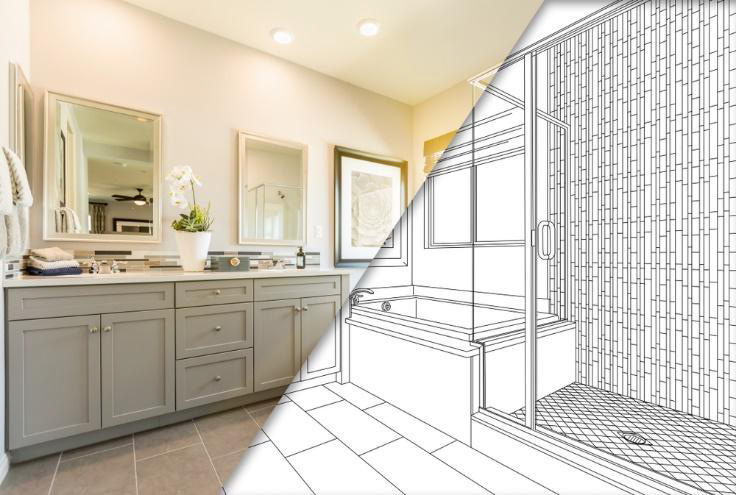
Most people don’t start a bathroom remodel with a blank check. You start with a number in your head and a few non‑negotiables: maybe no more stepping over a tub, more storage so the counters stay clear, or finishes that can stand up to monsoon humidity and hard water. The key to a remodel that feels worth every dollar is simple: decide what matters most to you first, then let the budget follow those priorities instead of the other way around.
Below is a practical way to think through those choices so your money goes where you’ll actually feel it day after day.
Step One: Decide How You Use the Space
Before you pick tile or faucets, get clear on how this room really works for your household. A busy hall bath in Marana that kids use all day has different needs than a primary retreat in a 55+ community like SaddleBrooke.
Ask yourself:
- Who uses this bathroom, and how many times a day?
- Is your biggest frustration storage, safety, style, or cleaning?
- Do you want a spa feel, or just something fresh, bright, and simple?
Once you know the job this room needs to do, you can see which combination of complete bathroom remodeling services makes sense—whether that’s a full gut or targeted upgrades to the vanity, shower, and flooring. Function should drive the wishlist, not Instagram.
Where to Spend More: High‑Impact Upgrades
Some parts of a bathroom pull more weight than others. If your budget has to stretch, focus your “splurge” money on the pieces that affect daily comfort and long‑term value.
The shower. In Southern Arizona, a comfortable, low‑maintenance shower is often the biggest quality‑of‑life upgrade. A walk‑in design with slip‑resistant tile, a bench, and grab bars can make aging in place easier. If a full remodel isn’t in the cards, you might put most of your budget into a custom shower remodel and keep the rest of the room simpler for now.
The vanity and storage. Good storage keeps the room looking calm without constant tidying. Choosing durable kitchen and bathroom cabinetry with soft‑close hardware can be worth more than ultra‑premium fixtures you barely notice. Drawers, tall cabinets, and double sinks are smart splurges in a busy primary bath.
Counters and moisture. Hard water and daily splashes can wear down cheaper tops quickly. Investing in quartz, granite, and porcelain countertops gives you a surface that resists stains, etching, and heat—especially helpful in homes on well water or older plumbing.
Key idea: Spend more where water, daily use, and safety meet. That’s where cheap materials usually show their age first.
Where to Save Without Regretting It
Saving smart doesn’t mean cutting corners; it means choosing materials and details that look good, perform well in our desert climate, and don’t quietly eat up your budget.
Flooring choices. You don’t need the most expensive tile on the floor to get a durable, cool‑underfoot surface over a concrete slab. Many homeowners mix a more affordable field tile on the floor and walls, then add a small band of decorative accents. If you prefer something warmer, waterproof click‑lock planks make luxury vinyl plank options a practical alternative in guest baths and powder rooms.
Tile layout and complexity. Intricate patterns, lots of niches, and tiny mosaics all drive up labor. A simple layout using timeless tile styles and patterns often looks cleaner and is easier to maintain, while keeping installation costs more predictable.
Fixtures and extras. Standard‑height toilets, mid‑range faucets, and simple lighting can still look polished when they’re coordinated. If budget is tight, choose one or two statement pieces—maybe a frameless shower door or a standout vanity light—and keep the rest straightforward.
Key idea: Let design do the heavy lifting. Clean lines, good proportions, and a cohesive palette often matter more than high price tags.
Making It Work Within a Real Budget
Once you know what matters most, you can phase the project or adjust finishes instead of compromising on the core plan.
Some homeowners in Tucson start with the wet area—demoing the tub, redoing the shower, and updating the floor—then circle back later for a new vanity and mirrors. Others do everything at once but pair premium tile in the shower with more modest flooring and fixtures to stay within their comfort zone.
If visiting the showroom is tough with your schedule, our shop-at-home service lets you see tile, flooring, and cabinet samples in your own lighting next to existing finishes. Looking through examples of completed projects can also help you visualize where other homeowners chose to splurge or save and what that looks like in real bathrooms.
Key idea: A thoughtful plan, not a huge budget, is what keeps a remodel from feeling like a compromise.
Ready to Prioritize Your Own Remodel?
If you’re starting to sketch ideas for a bath in Oro Valley or Green Valley and want help deciding what should come first, we’re here to walk through options, not push you into a one‑size‑fits‑all package. When you’re ready, you can request a free estimate, and we’ll help you build a bathroom plan—and a budget—around what matters most to you.


