

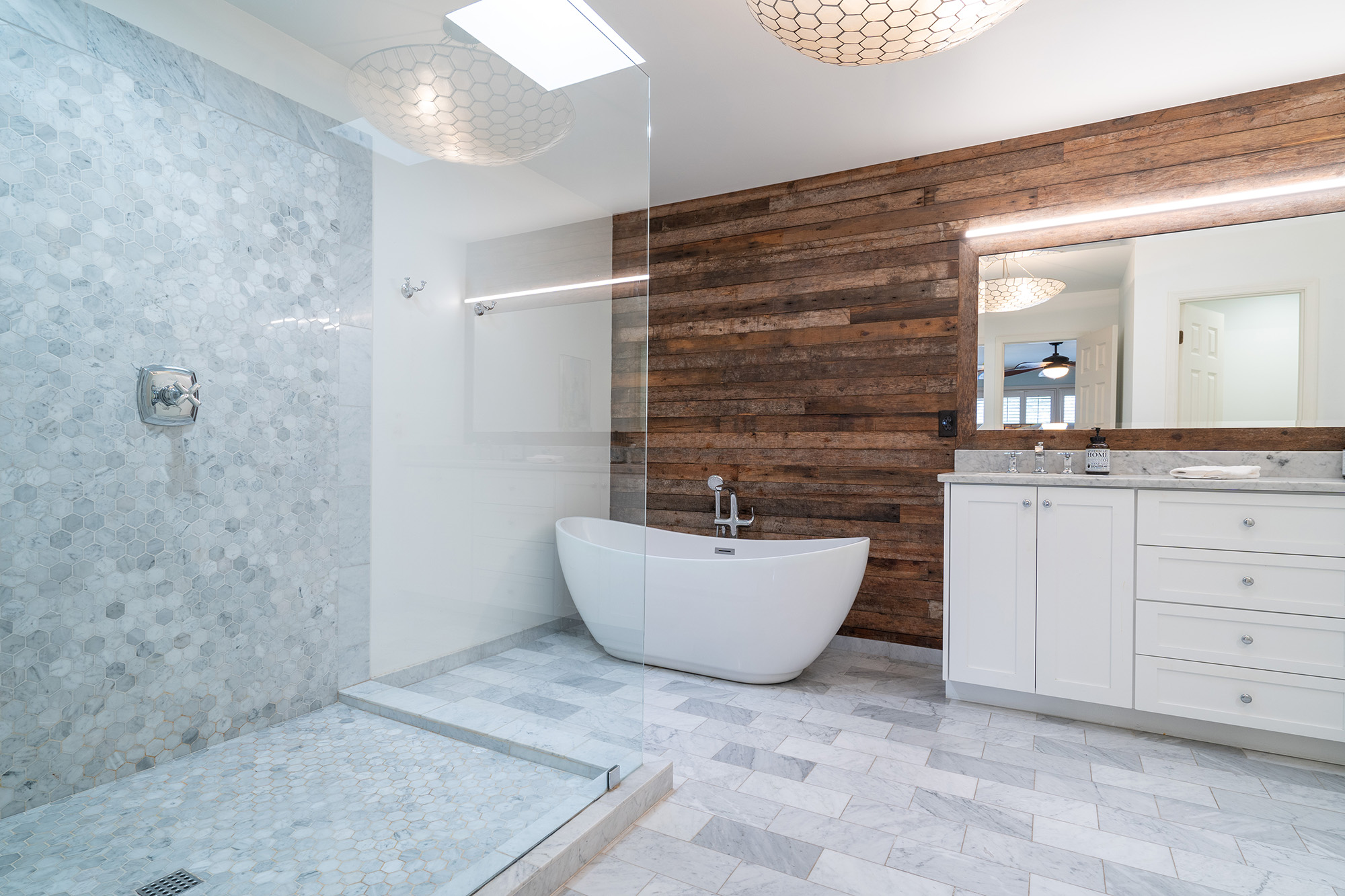
Step out of a hot shower in July, and your bathroom feels more like the tropics than the desert. Add in hard water spots, the occasional leak, and kids splashing out of the tub, and your floor takes a beating. In our climate, you’re not just choosing a look—you’re choosing how your bathroom will hold up to years of moisture, minerals, and daily use.
Below is a practical guide to what actually works under these conditions, and how to avoid flooring that will swell, stain, or crumble before its time.
How Humidity and Hard Water Really Affect Bathroom Floors
Even though most days are dry, bathrooms see their own micro‑climate. Steamy showers raise humidity, then everything dries out again. That constant cycle makes some materials expand and contract, which leads to gaps, warped boards, or cracked grout if the system isn’t designed correctly.
Hard water adds another layer. Mineral deposits can:
- Etch or dull certain natural stones and low‑quality glazes
- Leave white buildup on grout lines
- Highlight every puddle and drip if the surface is too textured to clean easily
When we plan complete bathroom remodeling services, we look at how the floor, shower, and vanity will work together under these conditions, not just how each piece looks on its own. If you’re considering a full update, it helps to see how vanity, shower, and flooring upgrades can be coordinated in one project.
Porcelain and Ceramic Tile: Workhorses in a Wet Room
For most bathrooms here, porcelain or ceramic tile is still the most reliable choice. These materials don’t mind a steamy shower, and they won’t soak up hard water like a sponge.
Porcelain, in particular, has very low absorption, so it shrugs off standing water and mineral-heavy droplets. The key is choosing the right surface: matte or lightly textured finishes give you grip when the floor is wet, while polished tile can get slick. We also pay attention to grout—using high‑quality grout and proper sealing where needed helps resist staining from minerals and soap scum.
If you like the idea of classic tile but want something more distinctive, you can explore tile styles and patterns that mimic stone, wood, or even concrete while keeping the maintenance manageable in a humid bath.
Luxury Vinyl in Bathrooms: Where It Works and Where to Be Careful
Waterproof luxury vinyl plank and tile have come a long way and can be a smart option in hall baths, kids’ spaces, or secondary bathrooms—especially on concrete slabs common across local homes. These products are built to resist surface water, and their click‑lock systems are more forgiving of small subfloor imperfections than brittle materials.
Humidity alone usually isn’t a problem for quality LVP/LVT, but you do have to respect the manufacturer’s limits. Large, frequent puddles that sit for hours can still work their way into seams. In full remodels, we often use luxury vinyl in the main area and pair it with a fully tiled, properly waterproofed shower so the wettest zone is fully protected. To get a sense of what’s available, you can compare luxury vinyl plank options in wood and stone looks that coordinate with your overall bath design.
Tip: If someone in the home has mobility issues, softer, slightly warmer vinyl underfoot can feel more forgiving than stone‑cold tile, especially in 55+ communities where comfort and slip resistance are key.
Natural Stone and Other Surfaces: Beautiful, but Know the Tradeoffs
Natural stone floors—travertine, marble, slate—fit beautifully with desert‑modern and Southwestern styles, but they demand more maintenance in the presence of hard water. Many stones are porous and slightly reactive to acids and minerals, so they can etch or develop a patina where water dries repeatedly.
If you love the look, we typically recommend denser stones, a strong sealing schedule, and realistic expectations about a “lived‑in” appearance over time. You can browse natural stone flooring options to see which tones and textures fit your style and how they might age in a busy bathroom.
For homeowners who want the stone look without that level of upkeep, we sometimes steer them toward quartz or porcelain on the vanity. Non‑porous materials there stand up better to hard water splashes from the sink, and our quartz, granite, and porcelain countertops can be coordinated with both tile and luxury vinyl floors.
Pulling It All Together in a Real Bathroom
The best bathroom floors aren’t chosen in isolation. We look at:
- How the shower drains and where splashes land
- Whether you prefer bare feet on cooler tile or slightly softer vinyl
- How often you’re willing to clean grout and reseal surfaces
- Who uses the space—kids, guests, or aging parents
Sometimes the answer is a porcelain floor that runs seamlessly into a walk‑in, curbless shower. Other times, it’s a mix of luxury vinyl in the dry area and a tiled shower pan with grab bars and a bench, designed as part of a custom shower design that makes daily routines safer and easier.
When you’re ready to make decisions for your own home—whether you’re in Oro Valley, Green Valley, or closer to town—we’re here to walk you through the tradeoffs and help you land on a floor that fits the way you actually live.
To talk through options for your specific bathroom, from flooring to shower and vanity, you can request a free estimate and we’ll help you design a space that stands up to humidity, hard water, and everyday life.


