

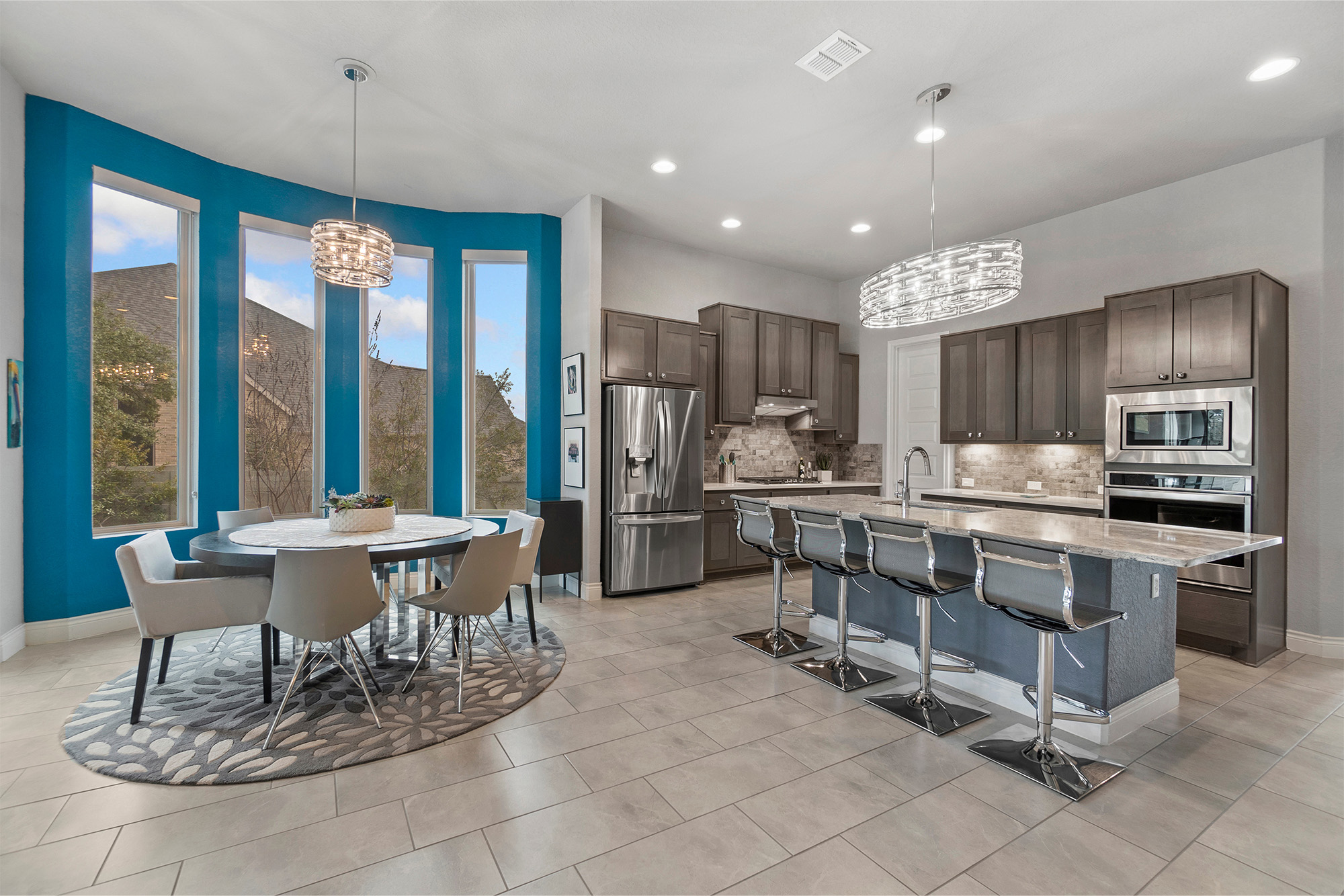
You can pick the toughest porcelain on the rack, but if it’s sitting on a poorly prepared slab, it will still crack. In Southern Arizona, where almost every home is on a concrete foundation and temperatures swing from cool desert mornings to 110°F afternoons, what’s under your tile matters just as much as the tile itself. A durable floor is really a system: slab, prep, underlayment, setting materials, and finally the tile you see.
Tile Thickness: When “Heavier Duty” Really Helps
Not all tile is the same thickness, and that difference affects how it holds up to daily life on a concrete slab.
Standard residential floor tile is usually around 8–10 mm thick. Thicker formats—12 mm or more—can offer extra stiffness, which helps resist cracking when furniture is moved or when the slab moves slightly with temperature changes. Larger-format pieces (24x24 and up) especially benefit from added rigidity, because more of the tile spans over any tiny low spots in the concrete.
At the same time, thickness has to work with your doors, appliances, and adjoining floors. In many homes around Tucson and Oro Valley, we’re transitioning from older tile or carpet to new materials, so we plan thickness carefully to avoid trip points or tight door clearances. When we’re pairing tile with other surfaces, like luxury vinyl in bedrooms, we compare the profiles so the transition feels smooth; you can see how click‑lock planks stack up in our luxury vinyl plank options.
Once you’ve chosen the right profile, you can explore tile styles and patterns that fit your space, knowing the structure underneath is part of the conversation—not an afterthought.
Why Underlayment Is Non‑Negotiable on Concrete Slabs
Concrete seems solid, but in our climate it shrinks, expands, and cracks over time. Underlayment is the layer that helps your tile “float” over those small movements instead of copying every hairline crack from the slab.
There are three main roles underlayment plays:
- Crack isolation: Membranes help prevent existing hairline cracks from telegraphing up into the tile.
- Uncoupling: Specialized mats create a tiny buffer so the tile layer can move a bit differently than the slab beneath.
- Moisture management: Even “dry” slabs can pass vapor, especially during monsoon season, and the right system helps manage that.
On older homes in Casas Adobes or Green Valley, we often see patchwork slabs from past remodels. A good installer will choose underlayment that bridges old and new concrete so grout lines don’t open up later. In bathrooms, that same thinking applies to the shower: membranes and proper build‑up are what make a custom shower remodel feel solid underfoot years down the road.
If someone suggests skipping underlayment “to save money,” that’s usually a red flag. The cost of redoing a failed floor is far higher than doing the system correctly the first time.
Slab Preparation: The Step Most People Never See
Before underlayment or tile goes down, the slab has to be evaluated and corrected. In Marana and surrounding new-build communities, we often find concrete that looks fresh but still needs work:
- High spots must be ground down so big tiles don’t rock.
- Low areas are filled with patch or self-leveler to avoid hollow spots.
- Old adhesives, paint, or cut‑back are removed so thinset bonds properly.
- Moisture levels are checked, especially in areas that see irrigation or where grading sends water toward the house.
In bathrooms, proper prep includes planning for future finishes. If you’re remodeling the entire space, we look at how the floor tile will meet the vanity and how water will behave around it. That’s why many homeowners pair new flooring with updated kitchen and bathroom cabinetry and a fresh countertop, so everything is set to the right heights together instead of being pieced in over time.
Good slab prep is invisible when it’s done right—but you’ll feel it every day in how solid and quiet the floor feels under your feet.
Putting It All Together for Long‑Term Durability
Durability isn’t one decision; it’s a chain of them. Tile thickness, underlayment type, and slab preparation all need to be chosen as a package that fits your home, your subfloor, and how you live. In active‑adult communities like Saddle Brooke, that might mean planning for slightly softer landings with area rugs over tile and coordinating slip‑resistant shower floors; for busy families, it may mean mixing tough porcelain in high‑traffic areas with warmer surfaces elsewhere and coordinating them with countertop materials for kitchens and baths.
When you’re ready to map out the right system for your project—whether it’s a single room or a full renovation—you can request a free estimate, and we’ll walk you through each layer so your tile looks beautiful and stays that way.


