

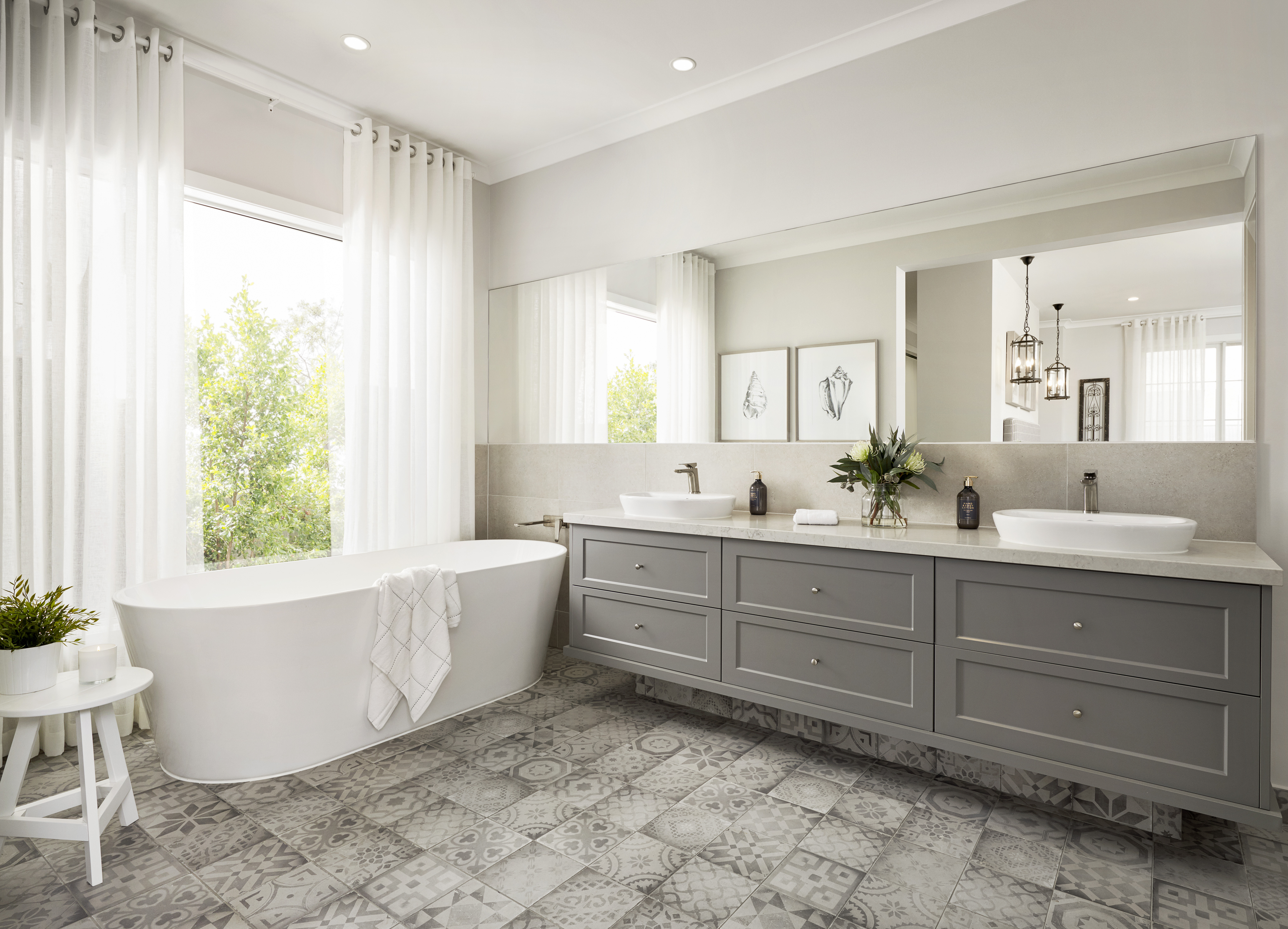
You’d think living in the Sonoran Desert would make bathroom mold a non-issue. It’s dry most of the year, the sun is intense, and humidity is low. But step into a closed bathroom after a hot shower, especially during monsoon season, and you’ve suddenly created a little tropical zone where mold is very comfortable. The good news: with the right tile choices, smart ventilation, and a few daily habits, you can keep that moisture from turning into a problem.
Why Mold Still Shows Up in a Desert Bathroom
Mold needs three things: moisture, warmth, and organic material. Our homes already provide warmth. The paper on drywall, wood framing, and even soap scum on grout joints all count as organic food sources. That means the only thing you really control is how much moisture hangs around and for how long.
In our climate, it’s the short, intense bursts of humidity from showers that cause trouble. If the exhaust fan is undersized, vents into an attic instead of outdoors, or simply doesn’t get used, that steamy air has nowhere to go. Over time it condenses on cooler surfaces, seeps behind tile, and settles into corners, niches, and caulk lines. That’s when you start seeing dark spots along grout, musty odors, or peeling paint on the ceiling.
Choosing Tile and Layouts That Work With (Not Against) Ventilation
Tile itself doesn’t feed mold, but the way it’s chosen and installed can make a big difference in how fast a bathroom dries out. Larger-format porcelain on walls and floors means fewer grout joints for moisture to cling to, and lighter colors help you spot issues early. You can see how different porcelain and ceramic tile options look together before committing to a layout.
In a remodel, we also pay attention to how the room “breathes.” Open shelves instead of deep, closed cabinets over the toilet, a vanity that leaves a little space under and around it, and a shower design that doesn’t trap steam in a tight corner all help air circulate. For homeowners who want warmth underfoot without the maintenance of natural stone, we often pair tile walls with luxury vinyl plank options outside the wet zone, which can be more forgiving around splashes and still resist moisture.
When everything is planned together—tile, layout, and ventilation—you give that humid air a clear path out of the room instead of pockets where it can linger.
Ventilation: The Real Mold-Fighter in a Remodeled Bath
If you’re seeing fogged mirrors half an hour after a shower or paint starting to bubble on the ceiling, your fan likely isn’t doing its job. In many older homes, fans are either too weak, too noisy (so no one uses them), or not ducted outside. During a bathroom renovation, we can upgrade to a quieter, higher-CFM unit and make sure it’s vented properly so moisture actually leaves the building.
A well-planned renovation also ties ventilation to how you use the space. In a busy family bath, a timer switch that runs the fan for 20–30 minutes after showers keeps humidity from ever reaching that mold-friendly zone. In 55+ communities where walk-in showers are common, we look at how open glass panels, benches, and grab bars affect airflow, then adjust fan placement to help those areas dry quickly. For many homeowners, rolling these improvements into complete bathroom remodeling services is the most effective way to fix moisture problems that have built up over years.
Showers, Grout, and Details That Resist Mold Growth
Showers take the brunt of daily moisture, so construction details matter. Waterproof backer boards, proper membranes, and correctly sloped pans keep water from pooling where you never see it. Inside the shower, well-placed niches, open shelving, and slightly rounded corners help water run off instead of sitting in tight joints.
The surfaces you choose play a role too. Many homeowners like the look of stone, but in a humid shower it demands sealing and careful cleaning. If you want a similar feel with less upkeep, we can design tile and glass shower upgrades that use dense porcelain and high-quality grout for better mold resistance. Outside the shower, pairing moisture-aware tile selections with durable quartz, granite, and porcelain countertops makes it easier to wipe away hard water spots and soap residue before they feed mildew.
When all of these choices are coordinated, the bathroom dries out faster after every use, which is the single best long-term defense against mold.
A desert home shouldn’t have to battle musty smells and stained grout. With thoughtful tile selections, proper ventilation, and a solid shower build, you can have a bright, dry bathroom that holds up through monsoon humidity and years of daily use. If you’re ready to tackle moisture issues and finally enjoy a fresh, low-maintenance space, you can schedule a free in-home consultation and we’ll walk you through options that fit your home and budget.


