

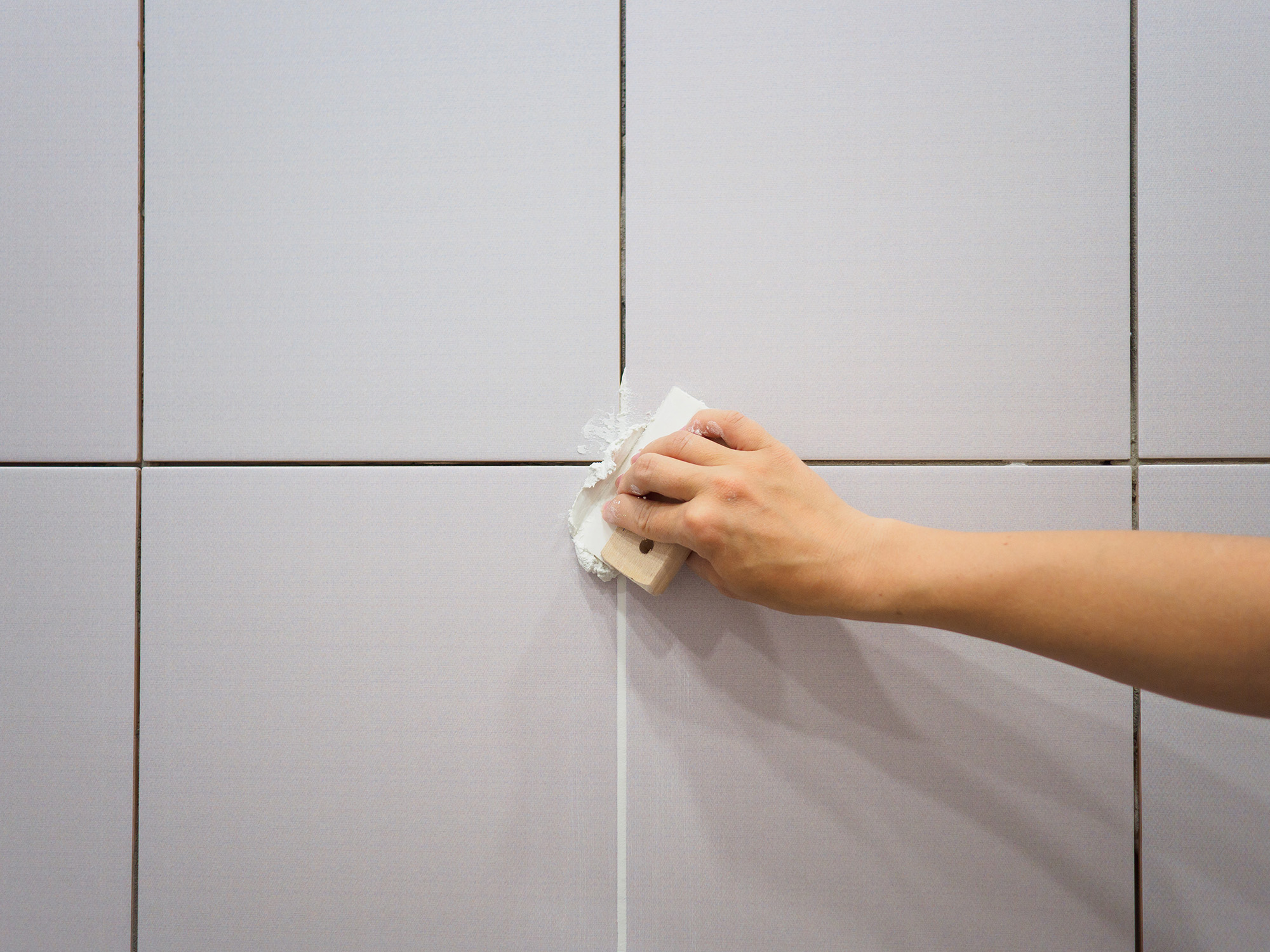
Not everything in a Tucson bathroom or kitchen needs sealing, and sealing the wrong surface wastes a Saturday for nothing. Porcelain tile barely absorbs water, so it never needs a sealer. Cement grout and natural stone are porous and do, and on Tucson's very hard water they need it on a schedule. Sorting what to seal from what to skip is most of what keeps tile looking new here.
What Tucson's Hard Water Does to Tile and Grout
Tucson's water is hard enough to leave its mark on any porous surface it touches. The U.S. Geological Survey, the federal agency that studies the country's water, classifies water from 0 to 60 milligrams per liter of calcium carbonate as soft, 61 to 120 as moderately hard, 121 to 180 as hard, and anything above 180 as very hard, and its study of the Tucson basin found the local groundwater to be a mineral-heavy calcium bicarbonate water pulled through desert limestone. Every time that water evaporates on a surface, it leaves the dissolved calcium and magnesium behind as scale, the chalky white film you already see on glass shower doors and faucets. On a porous grout line or an unsealed stone, those minerals don't just sit on top; they work down into the pores and dull the surface from within. Sealing closes those pores so the minerals stay up top where a cloth can reach them.
Does Porcelain Tile Need Sealing?
Porcelain tile does not need sealing, and paying to seal it is money for nothing. ANSI A137.1, the ceramic tile standard, defines porcelain as tile that absorbs 0.5 percent or less of its weight in water, which means it has almost no open pores for a sealer to soak into or for minerals to invade. Glazed ceramic behaves the same way, because the glaze is a layer of glass and glass doesn't absorb. Most of the tile in our tile selection is porcelain or glazed ceramic, which is why it asks so little of you once it's down. If your floor or shower is one of these, the tile itself is finished; the only thing that may still want attention is the grout between the pieces.
What Actually Needs Sealing: Cement Grout and Natural Stone
Two surfaces in a tiled room genuinely need sealing: cement grout and natural stone. Cement grout is porous by nature, a sandy mix full of tiny channels that pull in water and the minerals dissolved in it, which is why unsealed grout lines are the first thing to darken and stain. Natural stone is porous too, and how porous depends on the stone: granite absorbs only about 0.4 to 1.5 percent of its weight in water, but travertine and limestone commonly run 3 to 12 percent, several times more open than porcelain. That is why a travertine floor or a marble shower is a real commitment on Tucson water, and why the stone in our natural stone selection comes with a sealing conversation attached. Epoxy grout is the exception among grouts: it's essentially nonporous, so like porcelain it needs no sealing at all.
Penetrating vs Topical Sealers, and Which Belongs Where
For grout and stone, a penetrating sealer is the right tool, and the difference from a topical one matters. A penetrating sealer, also called an impregnating sealer, soaks down into the pores and lines them so they repel water while the surface still breathes, letting any moisture in the slab escape as vapor. A topical sealer instead lays a film across the top, which can look glossy at first but tends to cloud, scratch, or peel over time, and it can trap moisture underneath. For a Tucson shower floor, a bathroom grout line, or a stone counter, a penetrating sealer is what lasts. Topical products suit specific looks on specific stones, and they're a conversation to have before you brush one on.
When to Seal, and How to Tell It's Time Again
New grout and stone get their first seal once they're fully cured, and after that the schedule follows wear and water rather than the calendar. Fresh cement grout needs to cure before it will take a sealer, roughly 72 hours in a normal room and longer in a damp shower, so a new floor is sealed only after it has dried out. From there, the simplest check is a few drops of water: put them on the grout or stone, and if they bead up, the seal is still working; if they soak in and darken the surface within a few minutes, it's time to reseal. High-use, high-water spots like a shower floor or a kitchen counter come due sooner than a guest bathroom, and Tucson's hard water pushes every interval shorter than a soft-water city would.
What to Seal and What to Skip, at a Glance
Surface | Needs sealing? | Sealer type | How often |
Porcelain or glazed ceramic tile | No | None | Never |
Cement grout | Yes | Penetrating | When water stops beading |
Epoxy grout | No | None | Never |
Granite | Lightly | Penetrating | Occasionally; test with water |
Travertine, limestone, marble | Yes | Penetrating | More often; high-use spots soonest |
Keeping Hard-Water Scale Off Tile and Glass
Sealing handles what soaks in; a squeegee and a routine handle what dries on top. The scale that hard water leaves on glass shower doors, tile, and fixtures is the same calcium and magnesium, and it is far easier to wipe away before it hardens than to scrub off after it sets. A quick squeegee of the glass and walls after a shower, plus a regular wipe-down of faucets and tile, keeps the buildup from crusting over. For stone especially, skip the acidic bathroom cleaners: vinegar and many descalers etch marble, travertine, and limestone, so a pH-neutral stone cleaner is the safe default. On sealed grout and porcelain, ordinary cleaning is plenty.
Questions Tucson Homeowners Ask About Sealing Tile and Grout
Does porcelain tile need to be sealed?
No. Porcelain absorbs 0.5 percent or less of its weight in water under ANSI A137.1, so it has almost no pores for a sealer to enter or for hard-water minerals to invade. The tile is fine as is; only the cement grout between porcelain tiles may need sealing.
How often should I reseal grout in Tucson?
Reseal cement grout whenever water stops beading on it, which on Tucson's hard water often means about once a year in a wet or high-traffic area. The water-drop test beats any calendar: if drops soak in and darken the grout within a few minutes, it's due.
Do I need to seal natural stone in a shower?
Yes, and more diligently than most surfaces. Travertine, limestone, and marble absorb from 3 to 12 percent of their weight in water, so in a shower on hard water they need a penetrating sealer and regular resealing to keep minerals and soap from working into the stone. If you want a shower you can forget about, porcelain is the lower-maintenance route.
What's the best sealer for hard water?
A penetrating, or impregnating, sealer is the right choice for grout and stone on hard water, because it lines the pores from within and lets the surface breathe rather than sitting on top as a film. Match the product to the surface, since stone and grout sealers are formulated differently, and follow the coverage and cure time on the label.
Getting It Sealed Right the First Time
The easiest floor to keep is the one specified so it barely needs sealing in the first place, and that choice happens before anything is installed. We help homeowners weigh porcelain, which asks almost nothing, against the natural stone they love but will have to maintain, and we set both to standard so the grout and surfaces hold up to Tucson water. If you're planning a new tile floor, shower, or counter and want it low-maintenance from day one, request a free estimate and we'll walk through the surfaces, the grout, and what each one will ask of you down the road. You can also compare the options in our plain-language guide to choosing tile.


